EV Charging Infrastructure Investment: The Next Big Frontier for 2026
As the calendar turns to 2026, the electric vehicle (EV) revolution is no longer a distant dream but a tangible reality transforming our roads and cities. With millions of EVs now on the planet, the spotlight has firmly shifted from vehicle production to the critical backbone supporting this transition: robust EV charging infrastructure investment. At TrendPulsee, we've been tracking this sector closely, and our analysis suggests it's poised for unprecedented growth, offering compelling opportunities for investors and innovators alike.
The global push for sustainable transport, driven by ambitious climate goals and evolving consumer preferences, has created an insatiable demand for reliable and accessible charging solutions. Governments worldwide, including Germany's proactive stance on electromobility, are pouring billions into incentives and mandates to accelerate the deployment of charging networks. This confluence of factors makes the electric vehicle charging market one of the most dynamic and promising sectors of the decade.
Why is EV Charging Infrastructure Important? The Foundation of the EV Revolution
The importance of EV charging infrastructure cannot be overstated. It's the critical link that transforms an EV from a technological marvel into a practical, everyday mode of transport. Without adequate charging options, range anxiety persists, hindering mass adoption. Think of it this way: what good is a smartphone without a charger? Similarly, an EV's utility is directly tied to the availability and efficiency of its charging ecosystem.
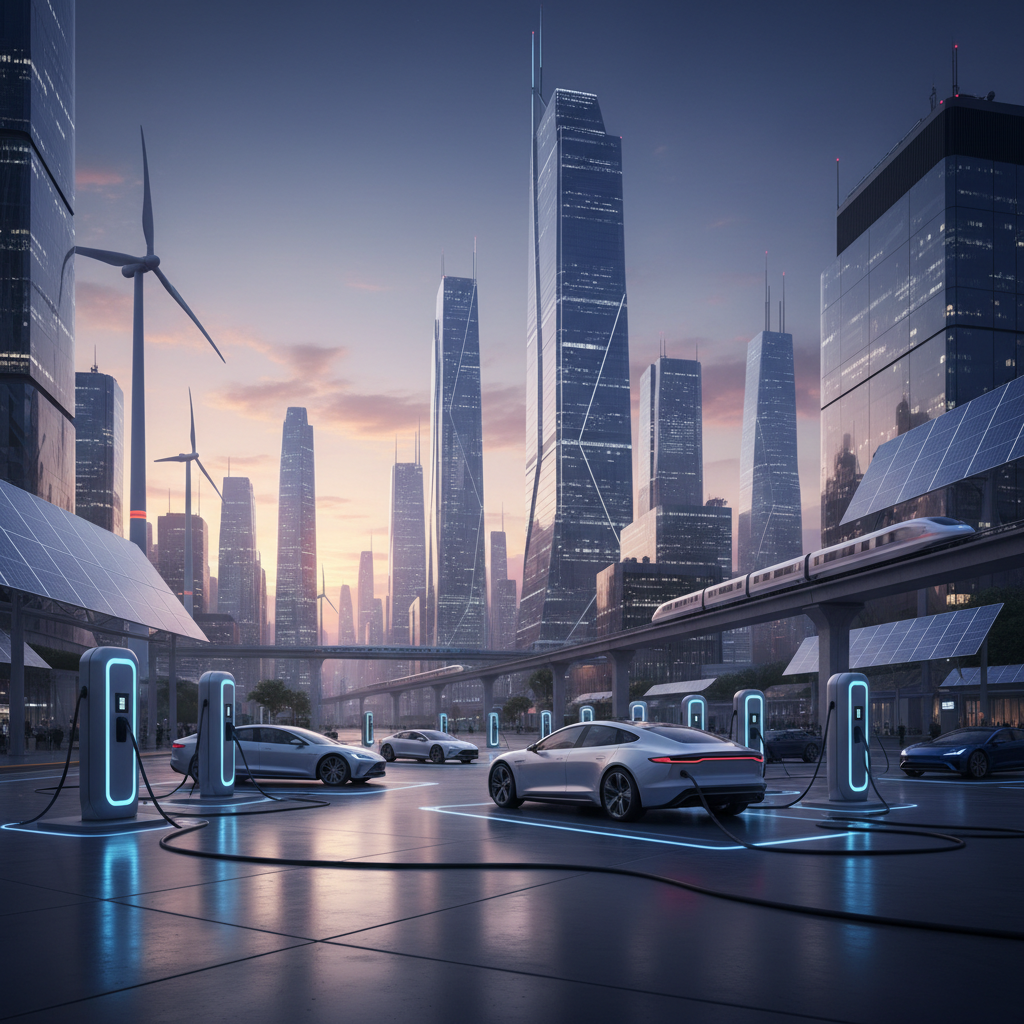
Beyond convenience, a robust charging network underpins economic growth and environmental sustainability. It enables longer journeys, supports commercial fleet electrification, and reduces reliance on fossil fuels. The sheer scale of what's needed is staggering. The International Energy Agency (IEA) projects that by 2030, the world will need over 15 million public charging points to support the projected 130 million EVs on the road. This massive undertaking requires significant EV charging infrastructure investment across all levels – from residential solutions to ultra-fast highway chargers.
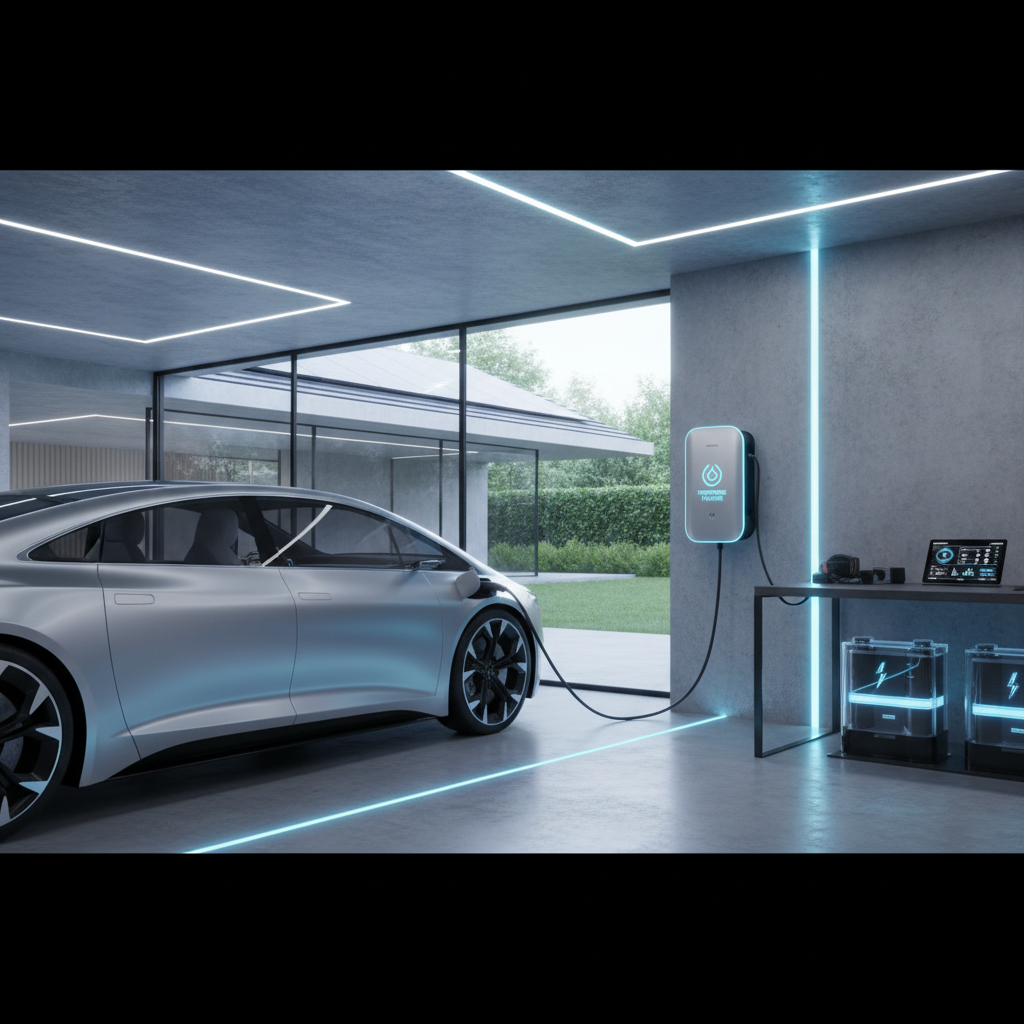
We're not just talking about more chargers; we're talking about smarter, more integrated systems. The future of EV charging is deeply intertwined with advancements in grid management, renewable energy integration, and intelligent software. Bidirectional charging, for instance, is moving from niche technology to a mainstream feature, allowing EVs to not only draw power from the grid but also feed it back, stabilizing supply and creating new revenue streams for vehicle owners. This V2G (Vehicle-to-Grid) capability is a game-changer for grid resilience, especially as intermittent renewable energy sources like solar and wind become more prevalent.
Navigating the Investment Landscape: How to Invest in Electric Vehicle Charging Stations
For those looking to capitalize on this growth, the opportunities are diverse. Investing in EV charging stations isn't a one-size-fits-all proposition; it encompasses a variety of avenues, each with its own risk-reward profile.
One direct approach is investing in publicly traded companies that design, manufacture, install, and operate charging hardware and software. These EV charging stocks represent the backbone of the industry. Major players like ChargePoint (CHPT), EVgo (EVGO), and Blink Charging (BLNK) have established significant market presence, offering exposure to the deployment and operation of public charging networks. However, the market is also seeing consolidation and new entrants, so careful due diligence is paramount.
Beyond these pure-play charging companies, opportunities exist within broader sectors. Utilities, for example, are increasingly investing in charging infrastructure as part of their grid modernization efforts. Automotive manufacturers are also forming strategic partnerships and investing directly in charging networks to support their own EV sales. Furthermore, real estate developers and property management companies are integrating charging solutions into their portfolios, recognizing it as a crucial amenity for tenants and customers.
Another compelling area for EV charging infrastructure investment lies in the technology providers. This includes companies developing advanced battery management systems, smart grid integration software, and innovative charging hardware like solid-state battery compatible chargers. The transition to solid-state batteries, which promise faster charging times and greater energy density, will necessitate upgrades and new designs for charging equipment, creating a fresh wave of investment opportunities. [Related: Battery technology advancements]
"The sheer scale of capital required for global EV charging infrastructure growth over the next decade is immense," says Dr. Anya Sharma, lead analyst at GreenTech Capital. "We're talking trillions, not billions. This isn't just about installing plugs; it's about building an entirely new energy ecosystem. Early movers in smart charging, grid integration, and next-gen battery tech will reap significant rewards."
The Future of EV Charging: Innovations and Smart Solutions
The future of EV charging is far more sophisticated than simply plugging in a car. We are on the cusp of a technological leap that will redefine convenience, efficiency, and grid interaction.
Bidirectional Charging and Grid Integration
As mentioned, bidirectional charging (V2G) is a pivotal innovation. Imagine your EV not just as transport, but as a mobile energy storage unit. During peak demand, your car could feed excess energy back to your home or the grid, earning you credits or even cash. This capability is crucial for balancing the grid, especially with the increasing penetration of renewable energy sources. Companies developing V2G-compatible chargers and energy management platforms are at the forefront of this trend. [Related: Smart home energy management]
AI and Predictive Analytics for Optimal Charging
Artificial intelligence (AI) is set to play a transformative role in optimizing the entire charging ecosystem. AI algorithms can predict charging demand based on traffic patterns, weather, and local events, dynamically adjusting pricing and power distribution to prevent grid overload and minimize costs. This smart management will be essential for scaling EV charging infrastructure growth efficiently. For instance, AI can direct drivers to available chargers, manage queues, and even suggest optimal charging times based on electricity prices and grid availability. This not only enhances user experience but also makes the entire network more resilient and sustainable.
Ultra-Fast Charging and Solid-State Batteries
The race for faster charging continues. While 350 kW chargers are becoming more common, the advent of solid-state batteries promises even quicker top-ups, potentially reducing charging times to mere minutes. This will require new generations of ultra-fast chargers capable of delivering immense power safely and efficiently. Companies investing in the research and development of these advanced charging technologies, as well as the necessary grid upgrades, are positioning themselves for long-term success. The synergy between battery technology and charging infrastructure is undeniable; advancements in one often spur innovation in the other.
Wireless and Inductive Charging
While still nascent for public use, wireless inductive charging is an area of active development. Imagine parking your EV over a pad and it begins charging automatically, without any cables. This technology could revolutionize urban charging, making it seamless and ubiquitous. Though challenges remain in efficiency and cost, companies like Electreon are making significant strides in dynamic wireless charging for public transport and even personal vehicles, where charging pads are embedded in roads. This could dramatically extend range and reduce the need for stationary charging stops.
The EV Charging Industry Outlook: A Decade of Expansion
The EV charging industry outlook for the coming decade is overwhelmingly positive. Regulatory support, technological innovation, and surging consumer demand are creating a powerful tailwind. Governments are committed to decarbonization, and EVs are a cornerstone of that strategy. The European Union's Alternative Fuels Infrastructure Regulation (AFIR), for example, mandates specific deployment targets for public charging points along major transport corridors, ensuring a baseline level of service.
We anticipate continued consolidation in the market, with larger players acquiring smaller, innovative startups to expand their technological capabilities and geographical reach. Partnerships between charging network operators, automakers, utilities, and even retail giants will become increasingly common, creating integrated ecosystems that offer seamless charging experiences.
Moreover, the focus will shift beyond just the number of chargers to the quality and reliability of the charging experience. Uptime, payment simplicity, and charger availability will be key differentiators. Companies that prioritize customer experience and invest in robust maintenance and smart network management will gain a competitive edge.
Key Takeaways
- Massive Growth Potential: The need for EV charging infrastructure is exploding, driven by global EV adoption and government mandates.
- Diverse Investment Avenues: Opportunities range from pure-play charging companies (stocks) to utilities, auto manufacturers, and technology providers.
- Technological Innovation is Key: Bidirectional charging, AI-driven optimization, ultra-fast charging, and wireless solutions are shaping the future.
- Grid Integration is Crucial: Smart charging and V2G capabilities will be vital for grid stability and efficiency.
- Customer Experience Matters: Reliability, ease of use, and uptime will differentiate leading charging providers.
Conclusion
The EV charging infrastructure investment landscape in 2026 is ripe with opportunity and innovation. It's a sector that is not just growing, but evolving at an astonishing pace, driven by the imperative for sustainable transport and technological breakthroughs. For investors, this represents a chance to be part of a fundamental shift in how we power our world. For consumers, it promises a future where charging an EV is as convenient and ubiquitous as refueling a gasoline car today.
At TrendPulsee, we firmly believe that the companies and countries that strategically invest in and develop cutting-edge EV charging infrastructure will be the true winners of the electric revolution. The road ahead is long, but the journey towards a fully electrified future is well underway, powered by smart, accessible, and resilient charging networks. [Related: Electric vehicle market]
Sources:
- International Energy Agency (IEA): Global EV Outlook 2023. URL: https://www.iea.org/reports/global-ev-outlook-2023
- European Union (EU): Regulation (EU) 2023/1804 on the deployment of alternative fuels infrastructure (AFIR). URL: https://eur-lex.europa.eu/eli/reg/2023/1804/oj
- BloombergNEF: Electric Vehicle Outlook 2023. (Note: Specific report content often behind paywall, general outlook widely cited)
- Deloitte: Powering the future: EV charging infrastructure. URL: https://www2.deloitte.com/us/en/insights/focus/automotive-industry/electric-vehicle-charging-infrastructure-report.html
Key Takeaways
- •This article covers the most important insights and trends discussed above
Sources & References
TrendPulsee
Tech journalist and content creator