TL;DR: Quick Summary
- The Creator Economy 3.0 is defined by hyper-niche focus, community depth, and AI integration.
- Micro-niche monetization strategies are key to sustainable income, leveraging smaller, highly engaged audiences.
- AI tools are transforming content creation, audience analysis, and direct monetization for creators.
- Success in 2026 demands authenticity, strategic AI adoption, and a deep understanding of your niche community.
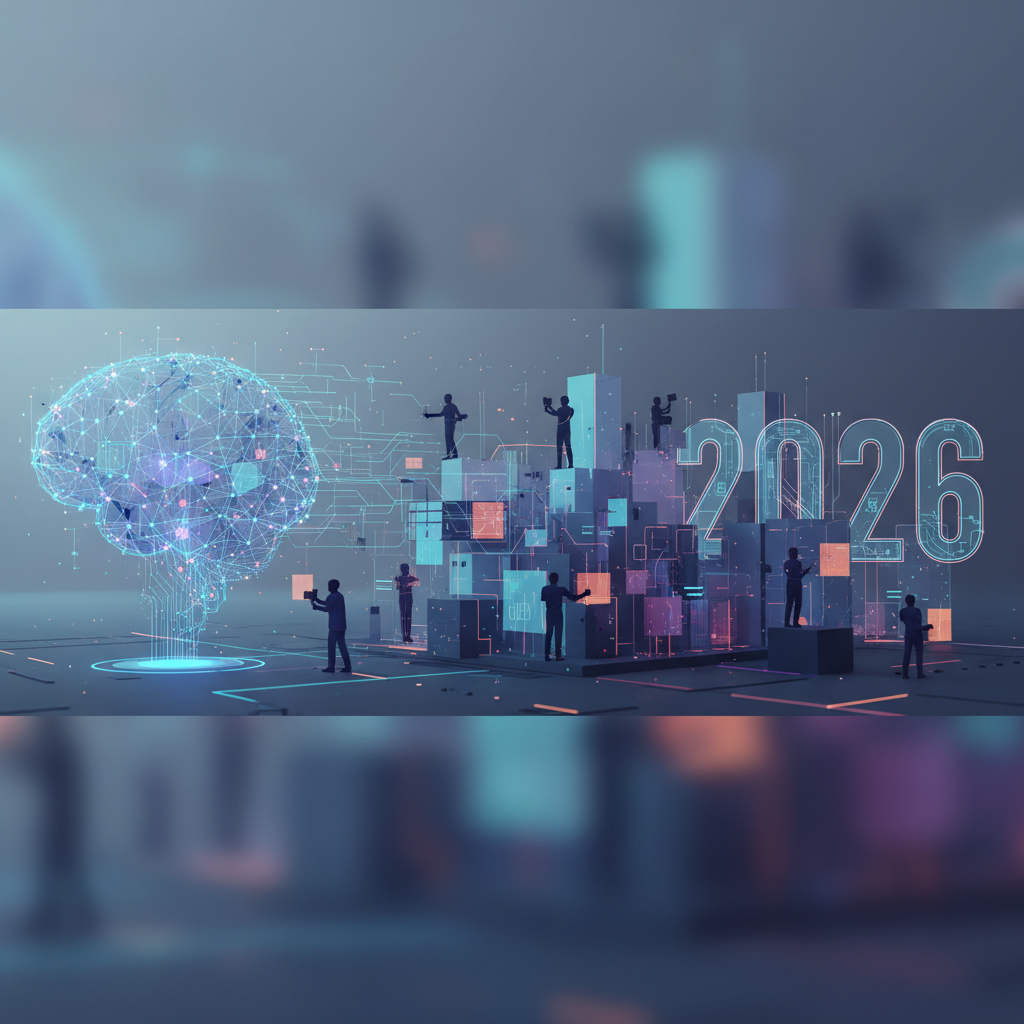
In 2026, the digital landscape is more dynamic than ever, and at its heart lies a thriving, evolving ecosystem: the creator economy. What began as a platform for individual expression has matured into a multi-billion-dollar industry, projected to exceed $500 billion by 2027, according to recent market analyses. We're not just talking about influencers anymore; we're witnessing the rise of the Creator Economy 3.0, a paradigm shift driven by hyper-specialization, authentic community building, and the transformative power of artificial intelligence. For anyone looking to build a sustainable income online, understanding creator economy monetization in this new era is paramount.
This isn't about chasing fleeting trends or broad appeal. It's about precision, passion, and leveraging cutting-edge technology. Our analysis suggests that the most successful creators are those who embrace the 'Unicorn Niche' playbook – identifying highly specific, underserved communities and delivering unparalleled value. But how exactly are they doing it, and what role does AI play in this revolution?
What is the Creator Economy 3.0 and Why is Micro-Niche Important?
The Creator Economy 3.0 represents a significant evolution from its predecessors. While Creator Economy 1.0 was characterized by early bloggers and YouTubers building broad audiences, and 2.0 saw the rise of professional influencers and brand deals, 3.0 is defined by depth over breadth. It's a move away from vanity metrics like follower counts towards genuine engagement, direct audience relationships, and diversified revenue streams.
At its core, the Creator Economy 3.0 is about micro-niche monetization strategies. Instead of trying to appeal to everyone, creators are focusing on highly specific, often overlooked segments of the market. Think 'vegan keto meal prep for busy parents' instead of just 'food blogger,' or 'sustainable fashion for professional gamers' instead of 'fashion influencer.' This hyper-focus allows creators to become the undisputed authority in their chosen field, fostering incredibly loyal and engaged communities.
Why is micro-niche important for creators? Firstly, it reduces competition. While the broader 'fitness' niche is saturated, 'bodyweight exercises for desk workers over 40' offers a clearer path to standing out. Secondly, it cultivates stronger community bonds. When content directly addresses the unique pain points and interests of a small group, engagement skyrockets. This deeper connection translates directly into higher conversion rates for digital products, subscriptions, and services. As Sarah Chen, CEO of Creator Insights Group, recently stated, "The future of creator income isn't in reaching millions, but in serving thousands with unparalleled specificity."
How Can Creators Monetize Micro-Niches with AI?
Monetizing a micro-niche effectively requires a blend of authentic connection and strategic business acumen. Here's how creators are leveraging this approach, often amplified by AI, to build robust income streams:
1. Premium Digital Products & Services
This is the cornerstone of digital content monetization in the micro-niche space. Creators develop highly specialized products like e-books, online courses, templates, or workshops tailored precisely to their audience's needs. For example, a creator in the 'urban gardening for small balconies' niche might sell a comprehensive course on hydroponics for apartment dwellers or a digital planner for seasonal planting in limited spaces. AI tools for creators can assist in outlining course content, generating marketing copy, and even personalizing learning paths.
2. Subscription Models & Community Platforms
Platforms like Patreon, Substack, and even private Discord servers allow creators to offer exclusive content, early access, or direct interaction for a recurring fee. This fosters a strong sense of community and provides predictable income. A 'vintage camera restoration' micro-niche creator might offer monthly tutorials, access to a private forum for troubleshooting, or exclusive behind-the-scenes content to subscribers.
3. Affiliate Marketing & Curated Recommendations
Instead of broad affiliate links, micro-niche creators recommend highly relevant products or services that genuinely benefit their audience. This builds trust and leads to higher conversion rates. An 'eco-friendly pet care' creator, for instance, would curate and recommend specific sustainable pet food brands or biodegradable toys, earning commissions on sales. AI can help identify trending products within a niche and even draft compelling product reviews.
4. Sponsored Content & Brand Partnerships
While traditional influencer marketing often targets large audiences, micro-niche creators attract brands looking for highly targeted engagement. Brands value the authenticity and deep trust these creators have built. A company selling specialized tools for 'miniature model painting' would rather partner with a creator who has 10,000 highly engaged miniature painters than one with a million general art enthusiasts. Read more: The Future of Social Media Marketing [blocked]
5. Direct Consultations & Coaching
As experts in their specific fields, many micro-niche creators offer one-on-one coaching, consulting, or personalized services. This high-value offering can command premium prices. A 'financial planning for freelance artists' expert might offer personalized budget reviews or business strategy sessions.
Which AI Tools Help Creators Make Money?
AI is no longer a futuristic concept; it's an indispensable partner for creators seeking to optimize their workflows and enhance their creator business models. Here are some of the most impactful AI tools for creators in 2026:
AI Tools for Content Generation & Optimization
- AI Writing Assistants (e.g., Jasper, Copy.ai): These tools can generate blog posts, social media captions, video scripts, email newsletters, and even ad copy, significantly speeding up content production. They help maintain a consistent content flow, which is crucial for audience engagement.
- AI Video Editing (e.g., Descript, RunwayML): Automate mundane editing tasks like removing filler words, generating captions, and even creating short-form video clips from longer content. This frees up creators to focus on creative direction.
- AI Image & Art Generators (e.g., Midjourney, DALL-E 3): Produce unique visuals, illustrations, and graphics for social media, blog posts, or digital products, saving time and money on stock photos or graphic designers. This is especially useful for niche visual content that might be hard to source.
AI Tools for Audience Analysis & Engagement
- AI-Powered Analytics Platforms: Tools like Google Analytics' AI features or specialized social media analytics platforms can identify audience demographics, peak engagement times, and content preferences with greater precision. This helps creators tailor their content and marketing efforts for maximum impact.
- AI Chatbots & Customer Service (e.g., ManyChat, custom GPTs): Automate responses to common questions, manage community interactions, and even guide users through sales funnels, providing 24/7 support and enhancing audience satisfaction.
- Personalized Content Recommendation Engines: While often embedded in platforms, creators can use AI insights to understand what content resonates most with individual segments of their audience, allowing for more targeted content delivery.
AI Tools for Direct Monetization & Business Operations
- AI-Driven E-commerce Optimization: AI can analyze sales data to predict demand, optimize pricing, and personalize product recommendations for digital storefronts. Read more: AI in Business: Transforming E-commerce [blocked]
- Automated Marketing & Sales Funnels: AI can segment audiences, trigger personalized email sequences, and even optimize ad spend, leading to higher conversion rates for digital products and services.
- AI for SEO & Keyword Research: Tools like Surfer SEO or Semrush's AI features help creators identify high-value keywords for their niche, optimize content for search engines, and stay ahead of creator economy trends in discoverability.
Table: AI Tools for Creator Monetization - A Comparison
| Tool Category | Example Tools | Key Benefit for Creators | Monetization Impact |
|---|---|---|---|
| Content Generation | Jasper, Descript | Faster content production, diverse formats | More content, wider reach, higher engagement |
| Audience Analysis | Sprout Social (AI) | Deeper audience insights, trend identification | Targeted content, higher conversion rates |
| E-commerce/Sales | Shopify (AI features) | Optimized product display, personalized offers | Increased sales, improved customer lifetime value |
| Marketing Automation | HubSpot (AI features) | Automated lead nurturing, personalized campaigns | Efficient lead conversion, reduced marketing costs |
| SEO Optimization | Surfer SEO, Semrush | Improved search visibility, niche keyword discovery | More organic traffic, increased ad/affiliate revenue |
The Future of Creator Economy Monetization: Authenticity and AI Synergy
The future of creator economy is not about replacing human creativity with AI, but about augmenting it. The most successful creators will be those who master the synergy between authentic human connection and intelligent automation. This means using AI to handle repetitive tasks, analyze data, and scale operations, while reserving human effort for creative ideation, community building, and delivering unique perspectives.
We anticipate a continued shift towards decentralized platforms and creator-owned infrastructure, giving creators more control over their data, audience, and revenue streams. Web3 technologies, though still nascent, promise new avenues for monetization through NFTs, token-gated communities, and direct peer-to-peer value exchange. The emphasis will remain on building deep, meaningful relationships with highly engaged audiences, making personal branding more critical than ever.
Furthermore, the demand for highly specialized knowledge will only grow. Creators who can distill complex information into accessible, actionable content for a specific audience will thrive. This could be anything from 'advanced quantum computing concepts for high school students' to 'sustainable foraging techniques in urban environments.' The opportunities for creator economy monetization are limitless for those willing to dive deep into a niche.
Key Takeaways
- Embrace the Micro-Niche: Specialization is the new scale. Focus on serving a highly specific audience with unique needs.
- AI is Your Co-Pilot: Leverage AI tools for content creation, audience insights, and business automation to boost efficiency and reach.
- Prioritize Authenticity: In a world of AI-generated content, genuine human connection and unique perspectives are your most valuable assets.
- Diversify Income Streams: Don't rely on a single source. Combine digital products, subscriptions, affiliate marketing, and services.
- Community is Currency: Nurture your audience. Engaged communities are the foundation of sustainable creator business models.
Frequently Asked Questions
H3: What are the biggest creator economy trends for 2026?
The biggest trends include hyper-niche specialization, the widespread adoption of AI tools for efficiency and personalization, a focus on direct audience monetization over ad revenue, the rise of creator-owned platforms, and increasing demand for authentic, community-driven content. The shift towards educational and skill-based content is also significant.
H3: How do AI tools impact creator monetization?
AI tools impact creator monetization by increasing efficiency in content creation, providing deeper insights into audience behavior for targeted marketing, automating routine tasks, and optimizing sales funnels. This allows creators to produce more high-quality content, reach the right audience, and convert engagement into revenue more effectively, ultimately scaling their income without proportionally scaling their effort.
H3: What are new ways to monetize content online?
New ways to monetize content online include selling AI-generated digital assets (e.g., custom prompts, AI art packs), offering token-gated community access, personalized AI-driven coaching or content recommendations, creating interactive experiences (e.g., AR filters, metaverse content), and leveraging decentralized finance (DeFi) for creator funding and royalties.
What This Means For You
If you're a creator, an aspiring entrepreneur, or a business looking to partner with creators, the message is clear: adapt or be left behind. The Creator Economy 3.0 rewards strategic thinking, technological adoption, and a deep, empathetic understanding of your audience. Start by identifying your unique 'unicorn niche,' experiment with AI tools to streamline your processes, and focus relentlessly on building a loyal community. Your passion, amplified by smart technology, is your most powerful asset.
Bottom Line
The landscape of creator economy monetization is undergoing a profound transformation. The convergence of micro-niche strategies and advanced AI tools is not just changing how creators make money, but who can succeed. In 2026, the path to a six-figure income is paved not by mass appeal, but by hyper-specificity, genuine connection, and intelligent automation. The future is bright for those ready to embrace this new era of digital entrepreneurship.
Key Takeaways
- •This article covers the most important insights and trends discussed above
Sources & References
TrendPulsee
Tech journalist and content creator