Indian Fintech: 5 Revolutionary Trends & Investment Guide 2026
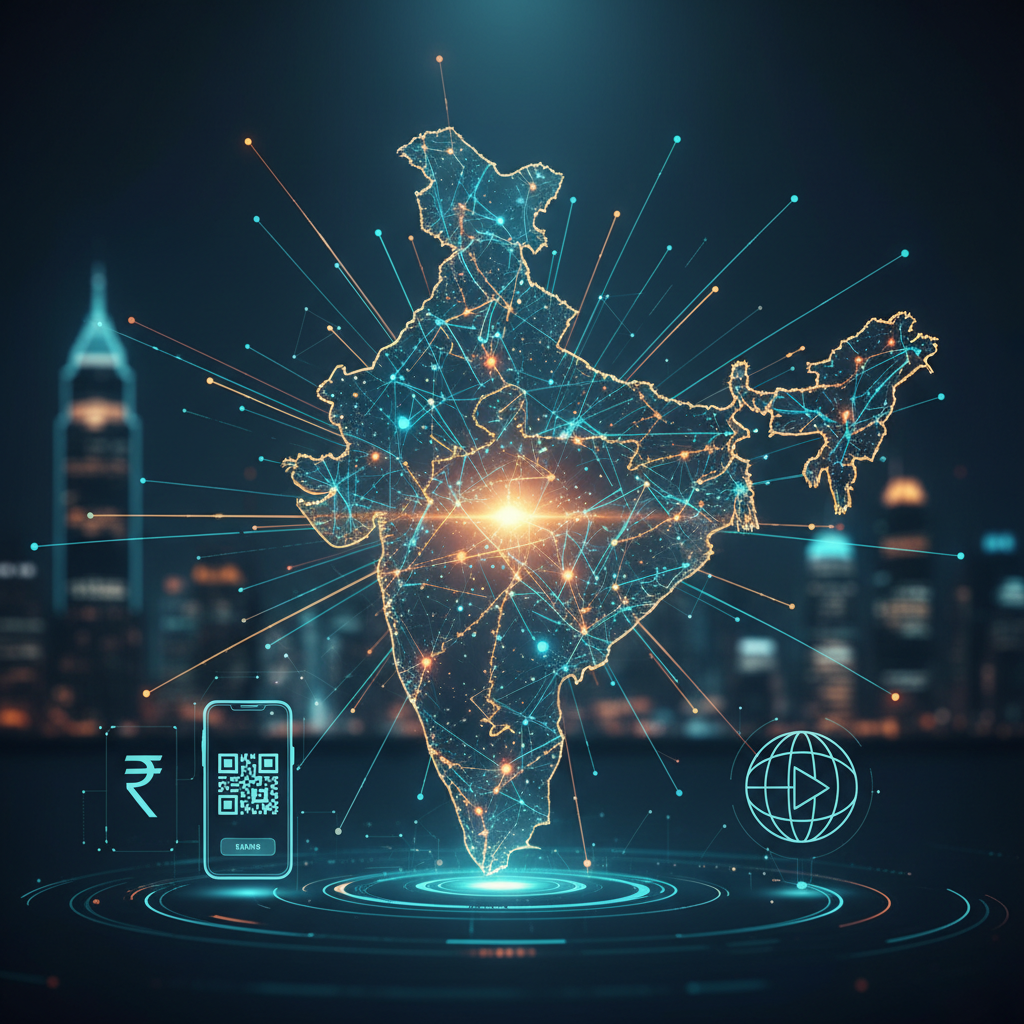
India's financial technology landscape is not just evolving; it's undergoing a seismic transformation. With a population exceeding 1.4 billion and a rapidly digitizing economy, the Indian fintech sector is a global hotspot for innovation and investment. In 2026, we are witnessing an acceleration of trends that promise to redefine financial services, driven by government initiatives, a tech-savvy populace, and an insatiable demand for accessible, efficient financial solutions. The question isn't whether Indian fintech will continue its ascent, but how profoundly it will reshape the global financial order.
TL;DR: Quick Summary
- Explosive Growth: India's fintech market is projected to reach over $200 billion by 2030, fueled by digital adoption and supportive policies.
- Key Drivers: UPI, Aadhaar, and India Stack underpin a massive digital payments ecosystem and financial inclusion efforts.
- Emerging Trends: Embedded finance, AI-driven credit, Web3, and regulatory sandboxes are shaping the future.
- Investment Hotbed: Significant opportunities exist in early-stage and growth-stage startups across diverse sub-sectors.
- Breakout Potential: Keep an eye on companies leveraging AI, data, and innovative business models to solve real-world problems.
What is the Indian Fintech Revolution and Why is it Growing Rapidly in India?
The Indian fintech revolution refers to the rapid and profound transformation of India's financial services industry through technology. This revolution is characterized by the widespread adoption of digital payment systems, innovative lending models, accessible wealth management platforms, and tech-driven insurance solutions. Its rapid growth is propelled by several synergistic factors.
Firstly, the India Stack – a set of open APIs and digital public goods like Aadhaar (digital identity) and UPI (Unified Payments Interface) – has provided an unparalleled digital infrastructure. UPI alone processed over 131 billion transactions in 2023, demonstrating its pivotal role in driving digital payments India. This infrastructure has significantly lowered the cost of financial transactions and accelerated financial inclusion, bringing millions into the formal economy.
Secondly, a vast, young, and increasingly digitally literate population, coupled with a significant underbanked and unbanked segment, presents an enormous addressable market. Fintech solutions are bridging gaps left by traditional banking, offering services tailored to diverse needs, from micro-lending to investment platforms for first-time investors. Our analysis suggests that this demographic dividend will continue to fuel the sector's expansion for the foreseeable future.
Thirdly, a supportive regulatory environment, including initiatives like regulatory sandboxes and a push for open banking, encourages innovation while maintaining stability. This proactive stance by the Reserve Bank of India (RBI) and the government has fostered a conducive ecosystem for fintech startups India to thrive. Read more: Digital India Initiatives: Paving the Way for a Connected Future [blocked]
Top Fintech India Trends Shaping 2026
As we navigate 2026, several fintech India trends are dominating the landscape, offering both innovation and substantial investment potential. These trends are not just incremental improvements but fundamental shifts in how financial services are delivered and consumed.
1. The Rise of Embedded Finance
Embedded finance is perhaps the most significant trend, seamlessly integrating financial services directly into non-financial platforms. Imagine ordering groceries and instantly accessing a 'buy now, pay later' option, or a small business platform offering integrated working capital loans. This trend is moving beyond basic payments to include lending, insurance, and even wealth management, making financial transactions invisible and contextual. Companies are leveraging APIs to embed financial products at the point of need, creating a frictionless user experience. This is particularly potent in India's e-commerce and B2B SaaS sectors.
2. AI and Data-Driven Credit Scoring
Traditional credit scoring models often exclude a vast segment of the Indian population due to a lack of formal credit history. AI and machine learning are revolutionizing this by analyzing alternative data points – such as mobile usage patterns, utility bill payments, and social media activity – to assess creditworthiness. This allows for more inclusive and personalized lending, unlocking credit for millions. Companies employing sophisticated algorithms are not only reducing risk but also expanding the credit market significantly. This is a critical development for financial inclusion.
3. Web3 and Decentralized Finance (DeFi) Exploration
While regulatory clarity is still evolving, the underlying technologies of Web3 – blockchain, smart contracts, and tokenization – are being explored by forward-thinking financial technology India firms. Use cases include faster cross-border remittances, fractional ownership of assets, and decentralized identity solutions. We anticipate a cautious but steady integration of Web3 elements into traditional financial services, particularly in areas where transparency and efficiency are paramount. The potential for disruption in areas like supply chain finance and asset management is immense.
4. Hyper-Personalization in Wealthtech and Insurtech
Gone are the days of one-size-fits-all financial products. AI and data analytics enable wealthtech and insurtech platforms to offer hyper-personalized advice, investment portfolios, and insurance policies. Robo-advisors are becoming more sophisticated, tailoring recommendations based on individual risk profiles, financial goals, and even behavioral patterns. In insurtech, micro-insurance products, parametric insurance, and usage-based policies are gaining traction, making insurance more affordable and relevant to diverse segments, from gig workers to farmers. Related: Indian Startup Ecosystem: A Deep Dive into Innovation Hubs [blocked]
5. Open Banking and API-First Strategies
Inspired by global trends and India's own India Stack, open banking is fostering collaboration between banks and fintechs. Financial institutions are increasingly opening up their APIs, allowing third-party developers to build innovative services on top of their core infrastructure. This API-first approach accelerates product development, enhances customer experience, and creates a more competitive and dynamic ecosystem. It's a win-win for banks seeking innovation and fintechs looking for scale.
How to Invest in Indian Fintech: Opportunities and Challenges
Investing in Indian fintech offers compelling growth prospects, but it requires a nuanced understanding of the market. The sheer scale and diversity present numerous avenues for capital deployment.
Investment Avenues
- Venture Capital (VC) and Private Equity (PE): This is the primary route for institutional investors, targeting early-stage to growth-stage fintech startups India. India has seen record VC funding in fintech, with investors keen on disruptive business models. Firms like Peak XV Partners (formerly Sequoia India) and Accel are highly active.
- Public Markets: While fewer pure-play fintechs are publicly listed, some diversified financial services companies with strong digital arms offer exposure. We expect more IPOs from mature fintechs in the coming years.
- Strategic Partnerships/Acquisitions: Larger domestic and international financial institutions are actively seeking to acquire or partner with innovative fintechs to bolster their digital capabilities and market reach.
- Fintech Funds: Specialized funds focused solely on the Indian fintech sector allow for diversified exposure to a basket of promising companies.
Key Challenges for Fintech in India
Despite the immense potential, the India fintech market faces hurdles:
- Regulatory Evolution: While supportive, the regulatory landscape is dynamic and requires constant adaptation from companies. Navigating data privacy laws (like the DPDP Act 2023) and evolving payment regulations is crucial.
- Cybersecurity Concerns: As digital transactions proliferate, so do cyber threats. Robust cybersecurity infrastructure and practices are paramount to maintain customer trust. Read more: Cybersecurity in Finance: Protecting Your Digital Assets [blocked]
- Talent Acquisition: The demand for skilled tech talent, particularly in AI, blockchain, and data science, often outstrips supply, leading to intense competition for human capital.
- Profitability vs. Growth: Many fintechs prioritize rapid user acquisition and market share over immediate profitability, leading to high burn rates. The path to sustainable profitability remains a key challenge.
Which Indian Fintech Companies Are Leading? (and Emerging Stars)
While established giants like Paytm, PhonePe, and Razorpay continue to dominate, our focus here is on the next wave of innovators. These companies are pushing boundaries and attracting significant fintech investment India.
Breakout Startup Profiles
-
CredFlow (Embedded Finance/B2B Lending)
- What they do: CredFlow is revolutionizing B2B payments and lending for SMEs. It integrates directly into accounting software, helping businesses manage invoices, optimize cash flow, and access working capital loans based on their transactional data. They are a prime example of embedded finance in action, solving a critical pain point for India's vast SME sector.
- Funding: Recently raised a significant Series A round, valuing them at over $100 million.
- Market Disruption: By digitizing the highly fragmented SME credit market and offering contextual finance, CredFlow is enabling millions of small businesses to grow, which is vital for India's economy.
-
Jupiter (Neobank/Wealthtech)
- What they do: Jupiter is a mobile-first neobank offering a full suite of financial services, including savings accounts, investment options, and expense tracking, all integrated into a seamless user experience. They target a young, digitally native demographic with personalized financial insights and products.
- Funding: Valued at over $700 million after its last funding round, backed by marquee investors like Tiger Global and QED Investors.
- Market Disruption: Jupiter is challenging traditional banks by offering a superior digital-first experience, focusing on financial wellness and smart money management, appealing to a generation that expects intuitive digital interfaces.
-
Ditto Insurance (Insurtech)
- What they do: Ditto simplifies insurance buying by offering unbiased, jargon-free advice and personalized policy recommendations across health, life, and motor insurance. Their human-assisted AI approach helps users understand complex policies and make informed decisions, addressing the trust deficit often found in the insurance sector.
- Funding: Part of the Finshots ecosystem, which has seen significant strategic investment, though specific Ditto rounds are often integrated.
- Market Disruption: Ditto is democratizing insurance access and understanding, moving away from push-sales tactics to a pull-based, advisory model. This is crucial for increasing insurance penetration in India, which remains relatively low.
Key Takeaways
- India Stack is the Bedrock: UPI and Aadhaar are foundational to the rapid expansion of Indian fintech.
- Untapped Potential: The underbanked population represents a massive opportunity for inclusive financial products.
- Innovation is Key: Embedded finance, AI-driven credit, and Web3 are not just buzzwords but actionable growth vectors.
- Investment Magnet: India remains a top destination for fintech investment India, attracting both domestic and international capital.
- Regulatory Support: A proactive regulatory environment fosters innovation while ensuring market stability.
What This Means For You
For investors, the future of fintech India presents unparalleled opportunities for high returns, particularly in startups addressing core market inefficiencies. For businesses, embracing fintech solutions can unlock new revenue streams, optimize operations, and enhance customer loyalty. For consumers, the revolution means more accessible, affordable, and personalized financial services than ever before. The digital transformation is not just a trend; it's the new standard.
Frequently Asked Questions (FAQ)
Q1: What is the primary driver of digital payments growth in India?
The primary driver is the Unified Payments Interface (UPI), a real-time payment system developed by the National Payments Corporation of India (NPCI). Its ease of use, interoperability, and zero transaction fees for consumers have made it ubiquitous.
Q2: How is AI impacting lending in the Indian fintech market?
AI is enabling more inclusive lending by using alternative data points to assess creditworthiness for individuals and small businesses without traditional credit histories. This expands access to credit and reduces risk for lenders.
Q3: Are neobanks gaining traction in India?
Yes, neobanks are rapidly gaining traction, especially among younger, tech-savvy demographics. They offer a superior digital-first banking experience, often with integrated financial management tools, challenging traditional banks.
Bottom Line
The Indian fintech revolution is an unstoppable force, driven by a unique confluence of technological infrastructure, demographic advantages, and a supportive ecosystem. As we look ahead to the rest of 2026 and beyond, the innovations emerging from India will not only serve its vast domestic market but also set benchmarks for financial technology globally. The opportunity to participate in this transformative journey, whether as an investor, entrepreneur, or user, is immense and profoundly exciting. The future of fintech India is bright, dynamic, and poised for continued exponential growth.
Key Takeaways
- •This article covers the most important insights and trends discussed above
Sources & References
TrendPulsee
Tech journalist and content creator