Solid-State Battery EV: The Next Revolution in Electric Cars
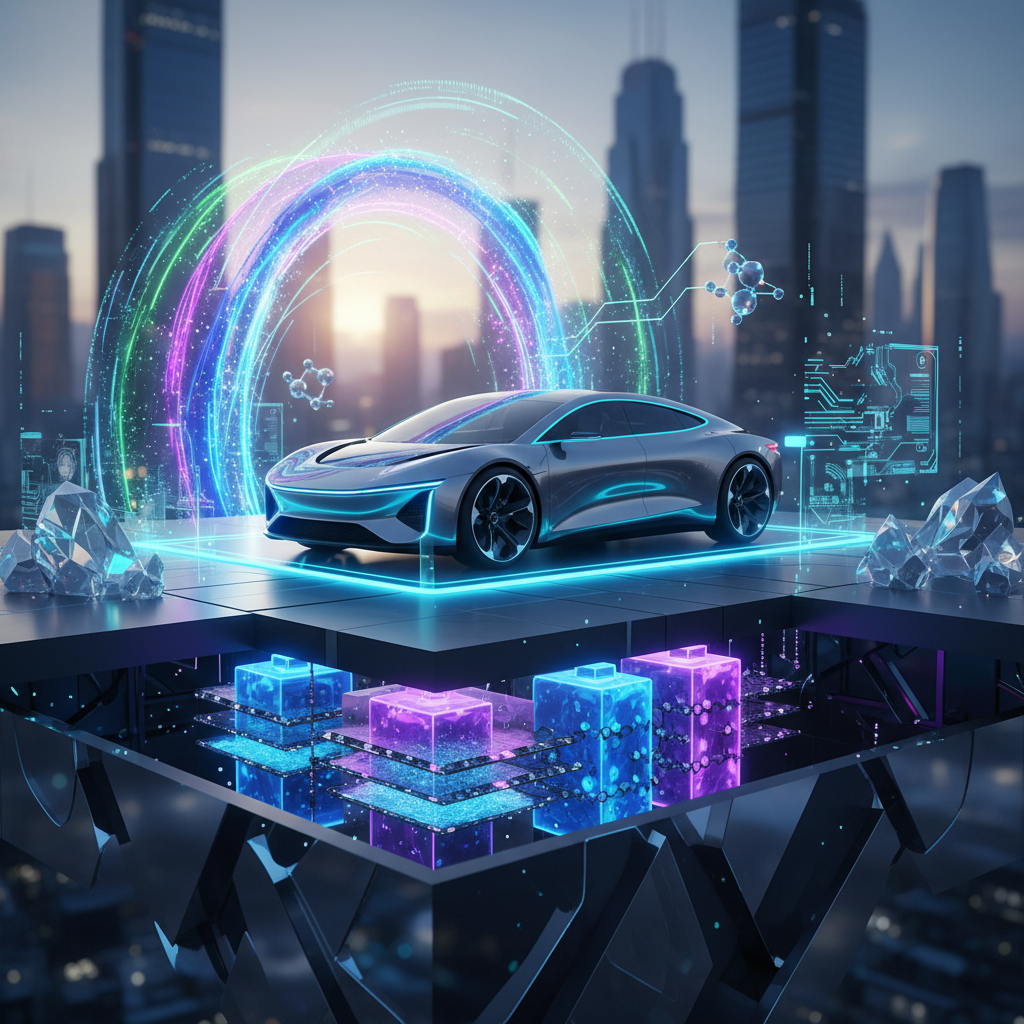
Today, February 7, 2026, the automotive world stands on the cusp of a monumental shift. For years, the promise of electric vehicles (EVs) has been tempered by concerns over range, charging times, and battery longevity. While current lithium-ion technology has made incredible strides, a new contender is rapidly gaining ground: the solid-state battery EV. This isn't just an incremental improvement; it's a fundamental reimagining of electric vehicle battery technology, poised to redefine what's possible for sustainable transport.
At TrendPulsee, our analysis suggests that the race for superior EV battery performance is heating up, with solid-state batteries emerging as the undisputed game-changer. News of breakthroughs from major auto manufacturers and innovative startups is driving significant interest, promising a future where range anxiety is a relic of the past and charging stops are measured in minutes, not hours. But what exactly are these revolutionary power sources, and when can we expect them to hit the roads en masse?
What is a Solid-State Battery for EVs?
To understand the significance of a solid-state battery, it's crucial to first grasp the fundamentals of current EV batteries. Most electric cars today rely on lithium-ion batteries. These batteries use a liquid or gel electrolyte to facilitate the movement of ions between the anode and cathode. While effective, this liquid component presents several limitations, including flammability risks, degradation over time, and a volumetric energy density ceiling.
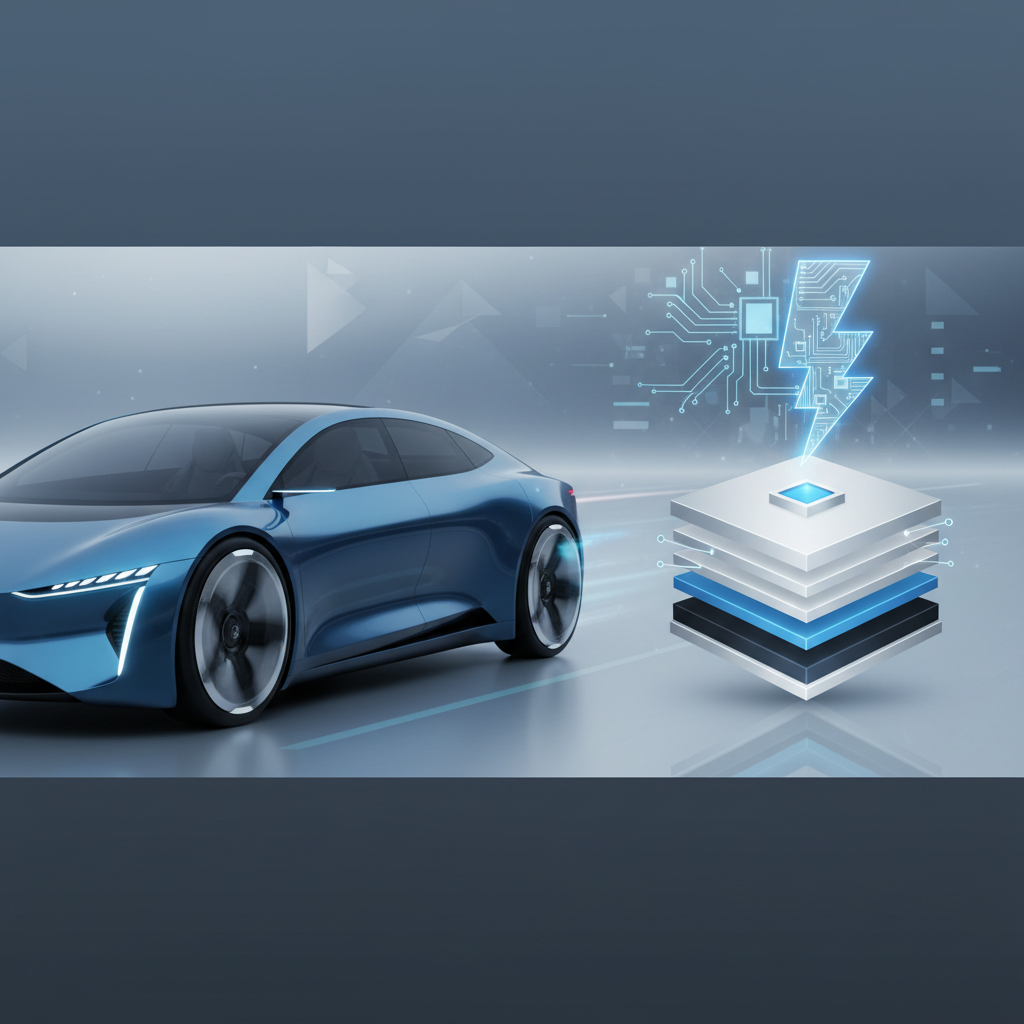
In stark contrast, a solid-state battery replaces this liquid or gel electrolyte with a solid material. This solid electrolyte can be ceramic, glass, or a solid polymer. This seemingly simple change unlocks a cascade of benefits. By eliminating the flammable liquid, solid-state batteries inherently offer superior thermal stability and safety. Furthermore, the solid electrolyte allows for the use of more energy-dense electrode materials, such as a lithium metal anode, which is largely impractical with liquid electrolytes due to dendrite formation – a major cause of short circuits and battery failure.
“The transition from liquid to solid electrolytes is akin to moving from a combustion engine to an electric motor in terms of its disruptive potential,” explains Dr. Anya Sharma, a leading materials scientist at the Fraunhofer Institute for Solid State Physics. “It’s not just about better performance; it’s about enabling entirely new battery architectures and safety profiles.”
The Unrivaled Solid-State Battery Advantages
The shift to solid-state technology brings a compelling list of benefits that directly address the primary concerns of potential EV buyers and current owners:
1. Enhanced Energy Density and Range
One of the most significant solid-state battery advantages is their potential for dramatically higher energy density. Our current lithium-ion batteries typically achieve energy densities around 250-300 Wh/kg. Solid-state batteries, particularly those utilizing lithium metal anodes, have demonstrated theoretical and experimental energy densities exceeding 500 Wh/kg. This translates directly into longer driving ranges for electric vehicles. Imagine an EV that can travel 800-1000 kilometers on a single charge, effectively eliminating range anxiety for most drivers. This leap in battery density is critical for making EVs viable for long-haul travel and for larger vehicles like trucks and SUVs.
2. Faster Charging Speeds
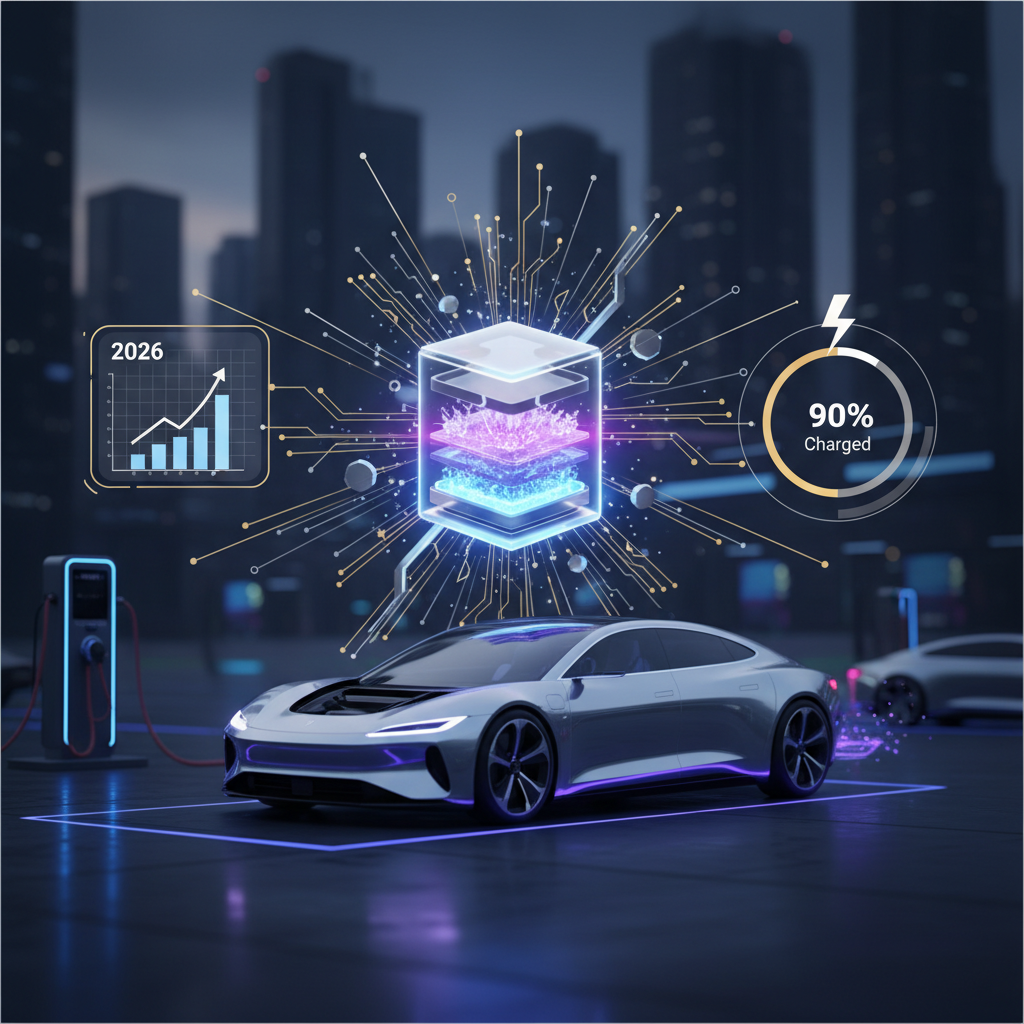
The solid electrolyte can potentially enable much faster charging rates. While liquid electrolytes can overheat and degrade under rapid charging, solid materials are generally more stable. Some prototypes have shown the ability to charge to 80% capacity in under 15 minutes, a speed comparable to refueling a gasoline car. This rapid charging capability is a game-changer for public charging infrastructure and daily convenience, making the transition from lithium-ion vs solid-state even more appealing.
3. Superior Safety
As mentioned, the absence of a flammable liquid electrolyte dramatically reduces the risk of thermal runaway and fires, a key concern with current lithium-ion batteries. This enhanced safety is paramount for consumer confidence and could simplify battery packaging and cooling systems, potentially reducing overall vehicle weight and cost.
4. Longer Lifespan and Durability
Solid-state batteries are expected to have a longer cycle life due to reduced degradation mechanisms compared to liquid electrolytes. This means the battery pack could last for the entire lifespan of the vehicle, or even longer, improving the total cost of ownership for EVs.
5. Smaller Footprint and Lighter Weight
With higher energy density, fewer battery cells are needed to achieve the same or greater range. This can lead to smaller, lighter battery packs, freeing up interior space in vehicles and further improving efficiency and handling. [Related: Tesla Cybertruck battery]
When Will Solid-State Batteries Be in Electric Cars? The Race to Mass Production
The question on everyone's mind is not if solid-state batteries will arrive, but when. The timeline for widespread adoption of the solid-state battery EV is a complex interplay of scientific breakthroughs, manufacturing scalability, and cost reduction. While laboratory prototypes have shown incredible promise, transitioning these technologies to mass production at an affordable price point is the ultimate hurdle.
Several major players are investing heavily in this next-gen EV batteries technology:
- Toyota: Perhaps the most vocal proponent, Toyota has been working on solid-state batteries for decades and holds numerous patents. They initially aimed for a prototype vehicle by 2020 and are now targeting commercialization in hybrid vehicles by 2027-2028, with full EVs to follow. Their strategy involves a gradual rollout, starting with smaller, less demanding applications to refine the technology.
- QuantumScape: Backed by Volkswagen, QuantumScape is a U.S. startup that has made significant progress with its anode-less solid-state battery design. They have demonstrated impressive performance in lab settings, including fast charging and high cycle life. Volkswagen aims to integrate QuantumScape's batteries into its vehicles by the end of the decade, potentially around 2028-2030.
- Nissan: Nissan unveiled its own solid-state battery prototype facility in 2024 and aims to launch an EV powered by solid-state batteries by fiscal year 2028. They are focusing on an all-solid-state battery (ASSB) that can reduce charging time to one-third of current levels.
- Solid Power: Partnered with Ford and BMW, Solid Power is developing sulfide-based solid-state batteries. They have been scaling up their production processes and are targeting automotive qualification by 2026, with potential vehicle integration by 2028-2030.
- Mercedes-Benz: Mercedes has invested in Factorial Energy, an American solid-state battery developer, with plans to integrate the technology into their vehicles within the next five years.
Our analysis suggests that while limited deployments in premium or niche vehicles might occur by 2027-2028, widespread mass-market adoption for the average consumer is more likely to materialize between 2030 and 2035. The primary challenges remain scaling production to meet automotive demands and driving down manufacturing costs to be competitive with advanced lithium-ion batteries. [Related: EV charging infrastructure]
The Challenges of Solid-State Battery Production
Despite the glowing prospects, the path to commercialization is fraught with challenges. The manufacturing processes for solid-state batteries are significantly different and often more complex than those for liquid lithium-ion cells. Key hurdles include:
1. Manufacturing Scalability
Producing solid electrolytes consistently and at a large scale is difficult. Many solid materials are brittle and challenging to handle in thin layers, which is crucial for high energy density. Achieving uniform interfaces between the solid electrolyte and electrodes without introducing defects that can hinder performance or cause short circuits is a major engineering feat.
2. Cost Reduction
Currently, solid-state batteries are considerably more expensive to produce than their liquid counterparts. The materials used, the precision required in manufacturing, and the relatively low production volumes contribute to this high cost. Significant investment in R&D and process optimization is needed to bring prices down to a competitive level.
3. Interface Resistance
Ensuring good ionic conductivity across the solid-solid interfaces between the electrolyte and electrodes is critical. Poor contact can lead to high internal resistance, reducing power output and efficiency, especially at lower temperatures.
4. Dendrite Formation (Still a Concern for Some Designs)
While solid electrolytes largely mitigate dendrite formation with lithium metal anodes, some solid electrolyte materials can still be susceptible to dendrite growth under certain conditions, particularly at high current densities. Researchers are continually refining material compositions and cell designs to overcome this.
The Future of EV Batteries: Beyond the Horizon
The advent of the solid-state battery EV represents a pivotal moment in the evolution of sustainable transportation. It's not just about improving existing metrics; it's about unlocking new possibilities for vehicle design, performance, and accessibility. As these next-gen EV batteries move closer to mass production, we can anticipate a ripple effect across the entire automotive ecosystem, from charging infrastructure to vehicle economics. [Related: Sustainable energy solutions]
“The environmental impact of battery production and recycling will also be a critical factor,” notes Dr. Sharma. “While solid-state batteries promise longer lifespans, ensuring their end-of-life management is sustainable will be paramount for true ecological benefit.” Our commitment to a greener future extends beyond the tailpipe emissions, encompassing the entire lifecycle of these advanced power units.
Key Takeaways
- Solid-state battery EV technology replaces liquid electrolytes with solid materials, offering significant improvements over current lithium-ion batteries.
- Key solid-state battery advantages include higher energy density (longer range), faster charging, enhanced safety, and longer lifespan.
- Major automakers like Toyota, Volkswagen (via QuantumScape), Nissan, Ford (via Solid Power), and Mercedes-Benz are heavily investing in solid-state battery breakthrough development.
- Mass-market adoption is projected between 2030 and 2035, with initial deployments in niche vehicles potentially sooner.
- Challenges remain in manufacturing scalability, cost reduction, and optimizing solid-solid interfaces.
- The future of EV batteries hinges on overcoming these hurdles to deliver a truly transformative driving experience.
As we look ahead, the vision of an electric vehicle with a 1,000-kilometer range that charges in 10 minutes is no longer science fiction. The relentless pursuit of innovation in electric vehicle battery technology, particularly in the realm of solid-state solutions, is bringing this future closer every day. At TrendPulsee, we will continue to monitor these developments closely, providing our readers with the most accurate and insightful analysis of this exciting technological frontier. The road to a fully electric, high-performance future is being paved, one solid-state cell at a time.
Key Takeaways
- •This article covers the most important insights and trends discussed above
Sources & References
TrendPulsee
Tech journalist and content creator