Solid-State EV Batteries: The Breakthrough Redefining Electric Cars
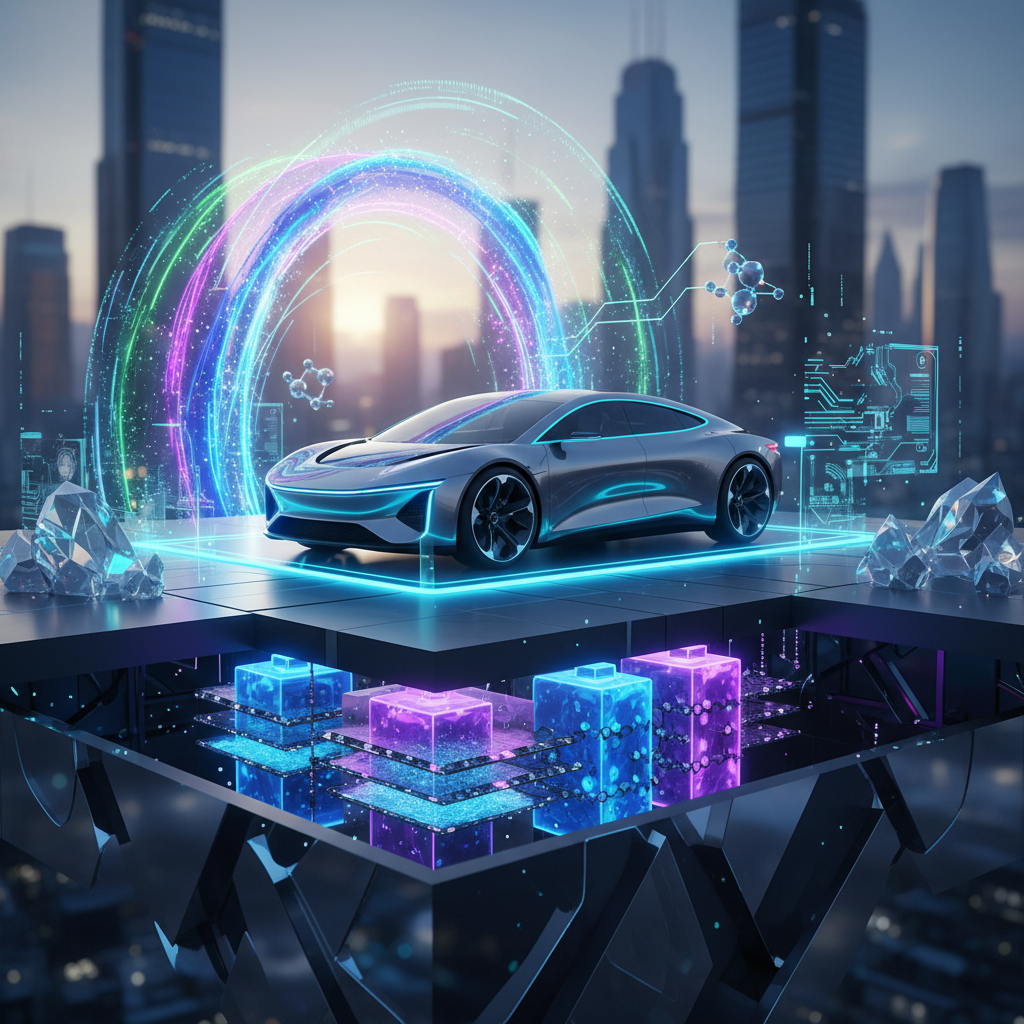
For years, the electric vehicle (EV) revolution has been powered by lithium-ion batteries, delivering impressive performance but often leaving consumers wanting more in terms of range, charging speed, and ultimate safety. Now, a new contender is emerging from the research labs and pilot factories: solid-state EV batteries. This isn't just an incremental upgrade; it's a fundamental shift in electric car battery innovation that promises to redefine what's possible for EVs, potentially making range anxiety and lengthy charging stops relics of the past.
Today, February 7, 2026, the buzz around solid-state battery technology is louder than ever. Major players in the automotive and battery industries are pouring billions into its development, signaling a clear belief that this is the future of EV batteries. But what exactly are these next-generation EV batteries, and when can we expect them to hit the roads en masse?
What are Solid-State EV Batteries and How Do They Work?
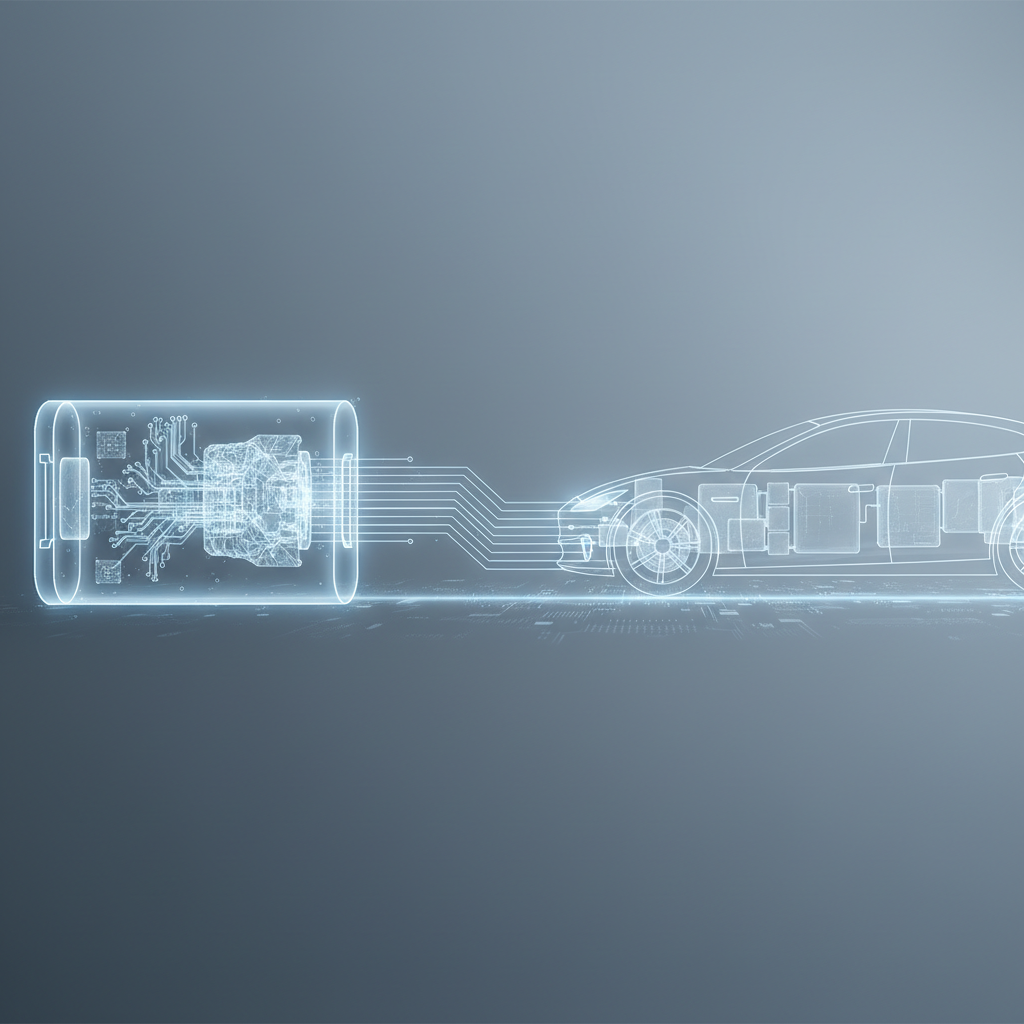
At its core, a solid-state EV battery is a type of rechargeable battery that uses solid electrodes and a solid electrolyte, unlike traditional lithium-ion batteries which rely on liquid or gel polymer electrolytes. This seemingly simple change unlocks a cascade of advantages.
In a conventional lithium-ion battery, lithium ions move between the anode (typically graphite) and the cathode (a metal oxide) through a flammable liquid electrolyte. This liquid is the primary reason for concerns about thermal runaway and fire risks in current EVs. The solid-state battery replaces this liquid with a solid material – which could be a ceramic, glass, or polymer composite. This solid electrolyte acts as a barrier, preventing dendrite formation (spiky lithium growths that can short-circuit the battery) and eliminating the risk of electrolyte leakage or flammability.
How do solid-state batteries work in electric cars? The fundamental principle of charge and discharge remains the same: lithium ions migrate between the anode and cathode. However, the solid electrolyte allows for the use of a pure lithium metal anode. This is a game-changer. Lithium metal has a significantly higher energy density than graphite, meaning a much greater amount of energy can be stored in the same volume or weight. This directly translates to longer electric vehicle range without increasing battery size or weight.
Furthermore, the solid electrolyte's stability and higher ionic conductivity in some designs enable faster ion transport, paving the way for ultra-fast charging capabilities. Imagine an EV that can gain hundreds of kilometers of range in minutes, not hours. This is the promise of solid-state battery development.
Why Solid-State Batteries are Better for EVs
The advantages of solid-state EV batteries are compelling and address many of the current limitations of lithium-ion technology, positioning them as the holy grail for electric car performance:
- Higher Energy Density: As mentioned, the ability to use a lithium metal anode dramatically increases energy density. This means EVs can achieve significantly longer ranges – potentially 800-1000 km or more on a single charge – or maintain current ranges with smaller, lighter battery packs, improving overall vehicle efficiency and handling. Toyota, for instance, has demonstrated prototypes with an estimated range of up to 1,200 km.
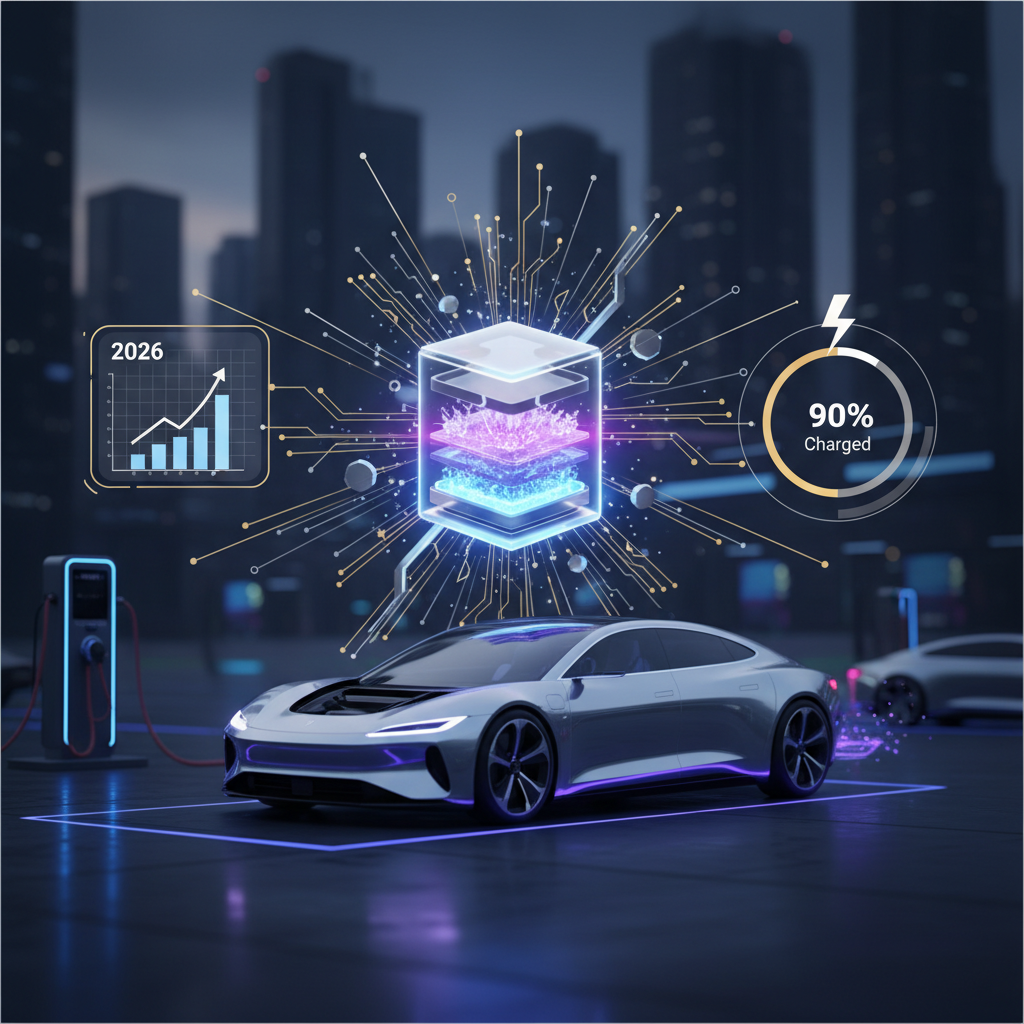
- Faster Charging: The solid electrolyte's properties can facilitate quicker ion movement, leading to charging times that rival refueling a gasoline car. Companies like QuantumScape have claimed their solid-state cells could charge from 10% to 80% in as little as 15 minutes, a stark contrast to the 30-60 minutes typically required for current fast chargers.
- Enhanced Safety: The elimination of flammable liquid electrolytes is perhaps the most significant safety advantage. This drastically reduces the risk of thermal runaway, overheating, and fire, making solid-state batteries inherently safer. This is a critical factor for consumer confidence and regulatory approval.
- Longer Lifespan: Solid electrolytes are generally more stable and less prone to degradation over repeated charge-discharge cycles compared to liquid electrolytes. This could lead to batteries that last longer, potentially exceeding the lifespan of the vehicle itself, and improving the overall battery lifespan of electric cars.
- Wider Operating Temperature Range: Solid-state batteries are expected to perform better in extreme temperatures, both hot and cold, which is a common challenge for current lithium-ion batteries, impacting performance and range in diverse climates.
These advantages of solid-state batteries are not just theoretical; they are the driving force behind the massive investments in this sector. [Related: EV charging infrastructure]
The Road to Mass Production: Challenges and Timelines
Despite the immense promise, the path to widespread adoption of solid-state EV batteries is fraught with significant challenges. This is not simply a matter of scaling up existing production lines; it requires entirely new manufacturing processes and supply chains.
Manufacturing Complexities and Costs
One of the primary hurdles is the manufacturing process itself. Producing solid electrolytes with consistent quality, high ionic conductivity, and at a scale required for automotive applications is incredibly difficult. Many solid electrolyte materials are brittle and challenging to integrate with electrodes without introducing defects that can reduce performance or lifespan. The precision required is far greater than for liquid-filled cells.
Initial production costs are also expected to be substantially higher than for lithium-ion batteries. Developing new factories, specialized equipment, and refining these complex processes will demand significant capital expenditure. Our analysis suggests that achieving cost parity with lithium-ion batteries will take several years, even after initial production begins.
Supply Chain Implications
The shift to solid-state batteries will also necessitate changes in the raw material supply chain. While lithium remains a core component, the specific forms and processing required for solid electrolytes and lithium metal anodes differ. This could create new dependencies and geopolitical considerations, similar to those currently seen with cobalt and nickel for lithium-ion batteries. Establishing robust and sustainable supply chains for these new materials will be crucial.
When Will Solid-State EV Batteries Be Mass-Produced?
This is the million-dollar question. While prototypes exist and small-scale production is underway, mass production for consumer EVs is still several years away. Industry experts generally predict that the first vehicles with solid-state batteries will arrive in limited numbers around 2028-2030. Toyota, a pioneer in this field, has been particularly vocal, aiming for initial deployment in hybrid vehicles by the mid-2020s, followed by full EVs. However, even their most optimistic timelines suggest significant volume production won't be before the end of the decade.
QuantumScape, backed by Volkswagen, is also making progress, having shipped A-sample cells to automotive partners for testing. Their CEO, Jagdeep Singh, has indicated that commercialization could begin in the latter half of this decade, but scaling up to millions of vehicles will be a gradual process. Other players like Solid Power (partnered with Ford and BMW) and StoreDot are also targeting similar timelines, with initial deployments likely focusing on premium or niche segments before trickling down to mass-market vehicles. [Related: Automotive industry innovation]
Economic Implications and Market Impact
The introduction of solid-state EV batteries will have profound economic implications, reshaping the automotive landscape and consumer expectations.
Which Car Companies Are Best Positioned?
Companies that have invested heavily in solid-state battery development, either independently or through strategic partnerships, are likely to be first movers. Toyota stands out due to its long-standing research and numerous patents in the field. Their cautious but persistent approach could pay off significantly. Volkswagen, through its investment in QuantumScape, and BMW and Ford, through Solid Power, are also strong contenders. Other manufacturers like Mercedes-Benz and Hyundai are actively pursuing their own solid-state initiatives or collaborations.
The ability to secure early access to this technology will be a significant competitive advantage, potentially allowing these companies to offer EVs with unparalleled range, charging speed, and safety, thereby capturing a larger market share.
Impact on Current EV Models and Resale Value
Once solid-state EVs become available, they will inevitably set a new benchmark for performance. This could have a noticeable impact on the resale value and consumer perception of current lithium-ion battery-powered EV models. Early solid-state vehicles, even with a premium price, might command higher demand due to their superior characteristics.
However, it's crucial to remember that the transition will be gradual. Current EVs will continue to be viable and valuable for many years. The existing charging infrastructure, which is primarily designed for lithium-ion batteries, will still be essential. Furthermore, advancements in lithium-ion technology are not standing still; continuous improvements in energy density, charging speed, and safety are still being made. [Related: Sustainable transportation trends]
As Professor Dr. Müller from the Fraunhofer Institute for Ceramic Technologies and Systems in Germany notes, "The market for EVs is expanding rapidly, and there will be room for both technologies for a considerable period. Solid-state will likely enter the premium segment first, gradually becoming more accessible as production scales." This suggests a tiered market where lithium-ion remains dominant for entry-level and mid-range EVs for the foreseeable future, while solid-state captures the high-performance and luxury segments.
Key Takeaways
- Solid-state EV batteries replace liquid electrolytes with solid ones, enabling significant improvements.
- They offer higher energy density (longer range), faster charging, and enhanced safety (no flammable liquid).
- Major automakers like Toyota, Volkswagen, BMW, and Ford are heavily invested in solid-state battery development.
- Mass production for consumer EVs is expected to begin in limited quantities around 2028-2030, with wider availability later.
- Challenges include complex manufacturing processes, high initial costs, and establishing new supply chains.
- The technology will likely transform the EV market, potentially impacting the resale value of current lithium-ion models over time.
The Road Ahead: A Glimpse into the Future
The advent of solid-state EV batteries represents a pivotal moment in the evolution of electric transportation. While the journey from lab to mass market is complex and challenging, the potential rewards – a truly transformative electric car performance and experience – are immense. We are on the cusp of a new era where electric vehicles are not just an alternative to gasoline cars, but a superior mode of transport in nearly every measurable aspect.
As we move towards the end of this decade, keep a close eye on the announcements from leading automotive manufacturers and battery developers. The first solid-state EVs will not just be new models; they will be harbingers of a future where electric cars are faster, safer, and capable of traveling further than ever before, fundamentally altering our perception of personal mobility. The future of EV batteries is solid, and it's electrifying.
Key Takeaways
- •This article covers the most important insights and trends discussed above
Sources & References
TrendPulsee
Tech journalist and content creator