By TrendPulsee Staff | Published February 19, 2026 | Updated February 19, 2026
TL;DR
- Solid-state batteries promise higher energy density, faster charging, and improved safety for EVs.
- The 'Battery Race' sees automakers and startups fiercely competing to commercialize this next-gen technology.
- EV battery innovation is crucial for overcoming range anxiety and boosting widespread adoption.
- Fast charging EV infrastructure is evolving, but challenges remain in scalability and grid integration.
The electric vehicle (EV) revolution is accelerating at an unprecedented pace, transforming the automotive landscape and challenging traditional notions of transportation. At the heart of this seismic shift lies EV battery technology, the powerhouse dictating an EV's range, performance, and ultimately, its appeal to consumers. As of early 2026, the industry is buzzing with anticipation around a new generation of advancements, particularly the elusive solid-state battery and the relentless pursuit of ultra-fast charging capabilities. Our analysis suggests that the next five years will be pivotal in determining the winners and losers in what we've dubbed the 'Battery Race'.
Imagine an electric car that charges faster than your smartphone, travels twice as far on a single charge, and poses virtually no fire risk. This isn't science fiction; it's the promise of the next wave of EV battery innovation. As the UK pushes towards its 2030 ban on new petrol and diesel car sales, the urgency for these breakthroughs has never been greater. Consumers are increasingly demanding better performance, lower costs, and more convenient charging solutions, all of which hinge on the evolution of battery science. Read more: Sustainable Transportation Trends Shaping 2026 [blocked]
What is Solid-State Battery Technology, and Why Does it Matter?
Solid-state battery technology represents a fundamental shift from current lithium-ion batteries by replacing the liquid or gel electrolyte with a solid material. This change promises to unlock significant improvements across several key metrics for electric vehicles.
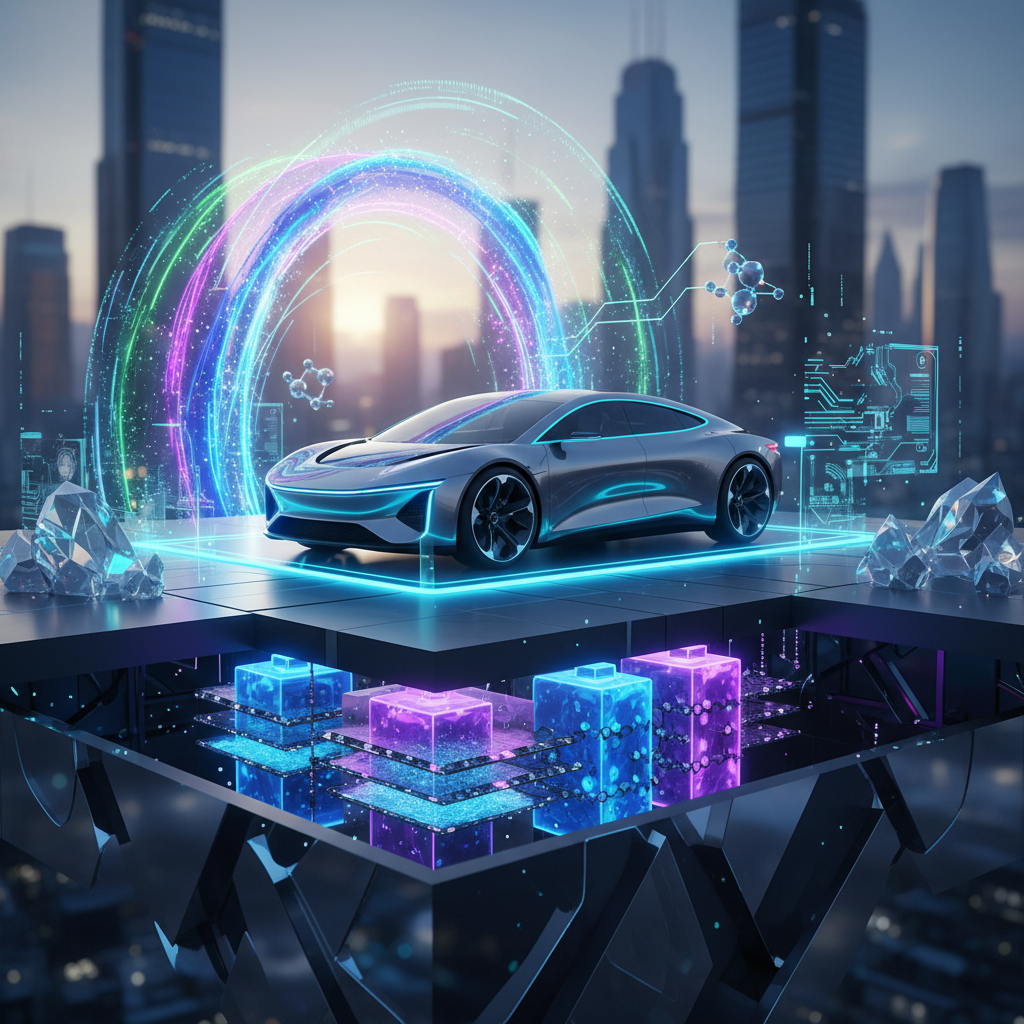
Traditional lithium-ion batteries, which power most of today's electric cars, rely on a liquid electrolyte to shuttle ions between the anode and cathode. While effective, this liquid is flammable, can degrade over time, and limits the battery's energy density. Solid-state batteries, by contrast, use a solid electrolyte – often a ceramic, glass, or polymer – which is non-flammable, inherently safer, and allows for the use of more energy-dense electrode materials, such as a lithium metal anode. This means a solid-state battery of the same size and weight could hold significantly more energy, translating directly into a longer driving range for EVs. Furthermore, the solid electrolyte can withstand higher temperatures and faster charging rates without the risk of dendrite formation, a common issue in liquid-electrolyte batteries that can lead to short circuits and reduced battery life.
How do solid-state batteries improve EVs?
Solid-state batteries are poised to dramatically improve electric vehicles by offering higher energy density, faster charging times, enhanced safety, and potentially longer lifespans. Their compact nature could also lead to lighter vehicles and more flexible design options.
- Increased Energy Density: This is perhaps the most significant benefit, meaning more range from a smaller, lighter battery pack. Industry estimates suggest a 50-100% increase in energy density compared to current lithium-ion batteries, potentially pushing EV ranges well over 600 miles on a single charge. Imagine a compact SUV with the range of a long-haul petrol vehicle – that's the promise.
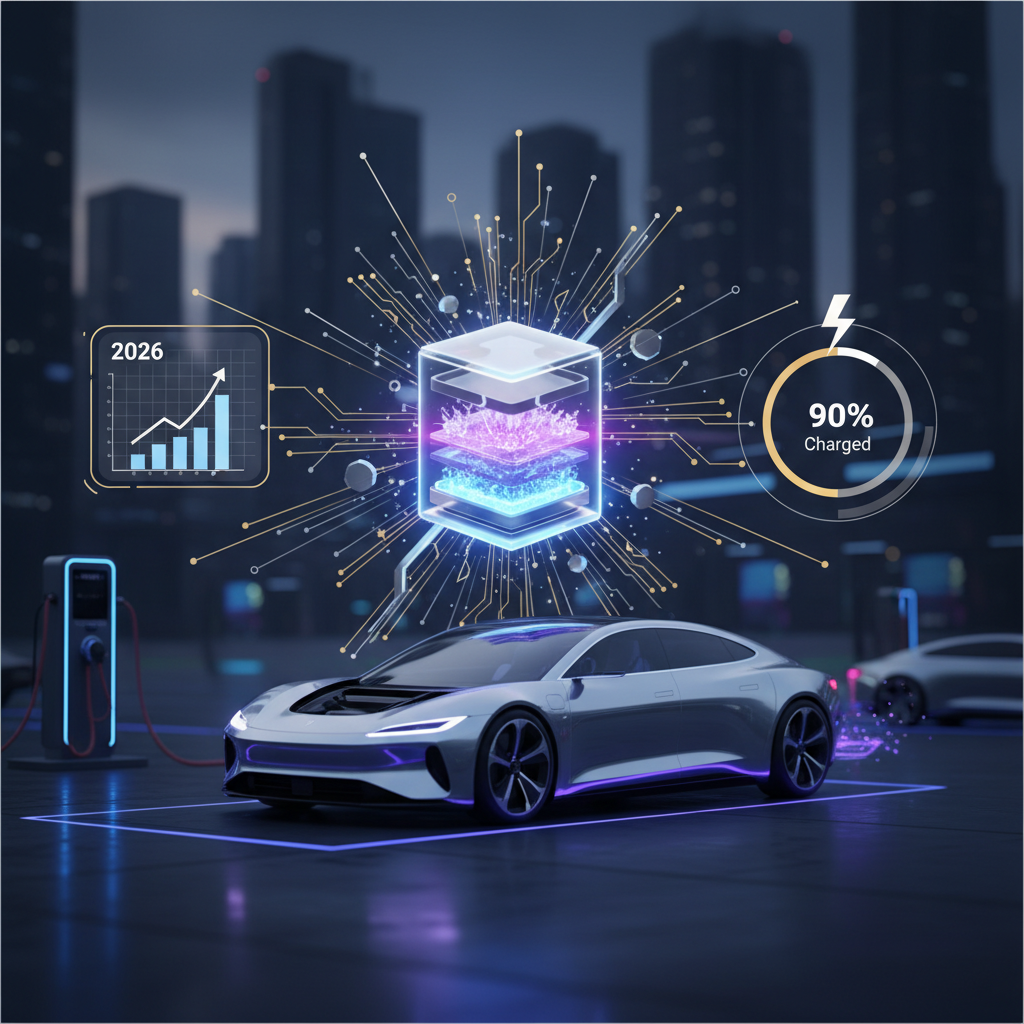
- Faster Charging: The solid electrolyte's stability allows for much higher charging currents without degradation. Some prototypes have demonstrated 80% charge in under 10 minutes, a game-changer for long journeys and a direct answer to range anxiety.
- Enhanced Safety: Eliminating the flammable liquid electrolyte drastically reduces the risk of thermal runaway and fire, a major concern for both consumers and manufacturers. This inherent safety is a huge selling point.
- Longer Lifespan: Solid-state batteries are expected to endure more charge cycles with less degradation, leading to a longer overall battery life for the vehicle.
- Reduced Cost (Long-term): While initial production costs are high, the potential for using cheaper, more abundant materials and simpler battery management systems could drive down costs over time, making EVs more affordable.
The 'Battery Race': Who's Leading the Charge?
The race to commercialize solid-state batteries is intense, involving a complex web of traditional automakers, established battery manufacturers, and innovative startups. Toyota, a long-time proponent, has been a frontrunner, boasting over 1,000 patents related to solid-state technology. They've publicly stated ambitions for pilot production by 2027. Volkswagen has invested heavily in QuantumScape, a US-based startup, which has shown promising lab results, demonstrating over 1,000 charge cycles with minimal degradation. Nissan, Honda, and Hyundai are also pouring billions into R&D, often through partnerships.
Startups like Solid Power (backed by Ford and BMW) and Factorial Energy are also making significant strides, with Factorial claiming to have developed a 40 Ah solid-state cell that operates at room temperature. Our expert, Dr. Anya Sharma, a leading materials scientist at Imperial College London, commented, "The sheer volume of investment and intellectual property being generated in this space is staggering. It's not a matter of if solid-state batteries will arrive, but when they will be mass-produced affordably." She added, "The challenges are immense, from scaling manufacturing to ensuring long-term reliability in real-world conditions, but the breakthroughs are coming fast."
Overcoming the Hurdles: Challenges for EV Battery Technology
While the promise of next-generation EV battery technology is immense, the path to widespread adoption is not without significant hurdles. These challenges span manufacturing, cost, and the very infrastructure designed to support them.
When Will Solid-State Batteries Be Available?
While prototypes are showing incredible promise, mass commercial availability of solid-state batteries in consumer EVs is still a few years away, likely beginning in limited production by late 2028 or early 2029, with broader market penetration by the early 2030s. The primary bottleneck isn't just the science, but the engineering and manufacturing at scale. Creating these batteries requires entirely new production lines, often in sterile environments, and perfecting the interfaces between solid materials is incredibly complex. The cost of materials and the intricate manufacturing processes currently make them significantly more expensive than traditional lithium-ion cells. As Dr. Sharma noted, "The transition from lab-scale success to gigafactory production is a chasm that many promising technologies fail to cross. It requires immense capital, meticulous process control, and a robust supply chain that simply doesn't exist for solid-state batteries yet."
What Are the Challenges of EV Fast Charging?
Even with current lithium-ion technology, fast charging EV infrastructure faces significant challenges. While chargers capable of delivering 350 kW or even 400 kW exist, the widespread deployment and effective utilisation of these ultra-rapid stations are complex.
- Grid Strain: Delivering hundreds of kilowatts to multiple vehicles simultaneously places enormous strain on local electricity grids. Upgrading grid infrastructure to support a future where millions of EVs are fast-charging will require massive investment and smart grid management. Read more: EV Infrastructure Development: Powering the Future [blocked]
- Battery Degradation: Repeated ultra-fast charging can accelerate the degradation of current lithium-ion batteries, reducing their overall lifespan. While solid-state batteries promise to mitigate this, it remains a concern for existing and near-term EV fleets.
- Cost of Chargers: Ultra-rapid charging stations are expensive to install and maintain, impacting the profitability for operators and potentially leading to higher charging costs for consumers.
- Standardization: While CCS (Combined Charging System) is becoming dominant in Europe, ensuring universal compatibility and reliability across different EV models and charging networks remains an ongoing effort.
- Thermal Management: High charging rates generate significant heat within the battery, requiring sophisticated cooling systems to prevent damage and maintain efficiency. This adds complexity and cost to both the vehicle and the charging station.
The Future of EV Charging Infrastructure: Beyond the Plug
The evolution of EV battery innovation isn't just about the cells themselves; it's also about how we power them. The future of EV charging infrastructure is envisioned to be seamless, ubiquitous, and integrated into our daily lives, moving beyond the current model of dedicated charging stations.
We anticipate a multi-faceted approach to charging, including:
- Wireless Charging: Inductive charging pads embedded in roads or parking spaces could allow EVs to charge passively while parked or even while driving at low speeds. Companies like Electreon are already piloting dynamic wireless charging roads in Sweden and Germany, showing promising results for public transport. This could revolutionise urban charging.
- Battery Swapping Stations: Pioneered by companies like Nio, battery swapping offers a rapid alternative to charging, allowing drivers to exchange a depleted battery for a fully charged one in minutes. While requiring standardised battery packs, this model could alleviate range anxiety and charging wait times, especially for commercial fleets.
- Vehicle-to-Grid (V2G) Technology: EVs could become mobile energy storage units, feeding power back into the grid during peak demand or selling excess renewable energy. This not only stabilises the grid but could also offer financial incentives to EV owners, making the total cost of ownership even more attractive. The UK government is actively exploring V2G trials, recognising its potential for grid resilience.
- Smart Charging Networks: Advanced software platforms will optimise charging times based on electricity prices, grid demand, and renewable energy availability, ensuring charging is efficient, affordable, and sustainable. This is crucial for managing the increased load from millions of EVs.
These advancements are critical for the mass adoption of electric vehicles, ensuring that the convenience of refuelling a petrol car is eventually surpassed by the ease and intelligence of EV charging. The integration of renewable energy storage solutions with charging infrastructure will also be key to truly sustainable transport.
Why is EV Battery Technology Important? A Deeper Dive
EV battery technology is not merely a component; it is the single most critical determinant of an electric vehicle's performance, cost, and environmental impact. Its importance stems from several interconnected factors that directly influence consumer adoption and the broader transition to sustainable transport.
Firstly, it dictates range anxiety. The fear of running out of charge before reaching a destination is a major barrier for many potential EV buyers. Better batteries mean longer ranges, directly addressing this concern. Current premium EVs offer ranges exceeding 300 miles, but the goal is to make such ranges standard across all segments, including more affordable models.
Secondly, battery cost is the largest single component of an EV's price. Innovations that reduce manufacturing costs or allow for the use of cheaper, more abundant materials (e.g., moving away from cobalt) are vital for making EVs competitive with internal combustion engine (ICE) vehicles on price. The goal is to reach battery pack costs below $100/kWh, a threshold many analysts believe will achieve price parity with ICE cars.
Thirdly, the environmental footprint. The sourcing of raw materials (lithium, nickel, cobalt) and the energy intensity of battery production are significant concerns. Advances in battery chemistry and manufacturing processes that reduce reliance on rare earth minerals, improve recyclability, and decrease energy consumption during production are crucial for the overall sustainability of EVs. Companies like Redwood Materials are pioneering closed-loop recycling systems, aiming to recover over 95% of battery materials.
Finally, performance. Beyond range, battery technology impacts acceleration, regenerative braking efficiency, and the overall driving dynamics of an EV. Better batteries allow for more powerful motors and more efficient energy recovery, enhancing the driving experience.
Key Takeaways
- Solid-state batteries are the next frontier, promising significant leaps in energy density, safety, and charging speed, with initial commercial availability expected by late 2020s.
- The 'Battery Race' is a global competition, with major automakers and startups investing heavily to overcome manufacturing and cost challenges.
- EV battery innovation is essential for addressing range anxiety, reducing EV costs, and enhancing overall performance.
- Fast charging EV infrastructure requires substantial upgrades to electricity grids and continued development of robust, reliable charging solutions.
- The future of charging will likely include wireless, V2G, and battery swapping technologies to provide diverse and convenient options.
- The importance of EV battery technology extends beyond range, influencing affordability, environmental impact, and driving experience.
Frequently Asked Questions
How does EV battery innovation affect range?
EV battery innovation directly impacts range by increasing the energy density of battery cells. Higher energy density means more kilowatt-hours (kWh) can be stored in the same physical space and weight, allowing electric vehicles to travel significantly further on a single charge. For instance, solid-state batteries are projected to offer 50-100% greater energy density than current lithium-ion cells, potentially doubling the range of future EVs.
What is the primary advantage of solid-state batteries over lithium-ion?
The primary advantage of solid-state batteries over traditional lithium-ion batteries is their use of a solid electrolyte, which offers enhanced safety by eliminating flammable liquid components, and enables higher energy density. This leads to longer driving ranges, faster charging capabilities, and a potentially longer battery lifespan due to reduced degradation.
Will EV battery prices continue to fall in 2026 and beyond?
Yes, EV battery prices are generally expected to continue their downward trend, albeit potentially at a slower pace than in previous years due to fluctuating raw material costs and increased demand. However, ongoing EV battery innovation, economies of scale in manufacturing, and improved supply chains are projected to drive costs down further, making electric vehicles more affordable over the next decade.
What This Means For You
For consumers, the advancements in EV battery technology mean a future where electric vehicles are more practical, affordable, and enjoyable than ever before. You can anticipate longer ranges that eliminate range anxiety, faster charging times that make long journeys more convenient, and inherently safer vehicles. As these technologies mature, the total cost of ownership for EVs will become increasingly competitive, making the switch to electric an even more compelling proposition. For businesses, this translates to new opportunities in manufacturing, infrastructure development, and energy management. The UK's automotive landscape is on the cusp of a profound transformation, driven by these relentless innovations.
Bottom Line
The relentless pursuit of better EV battery technology is the engine driving the electric vehicle revolution. From the groundbreaking potential of solid-state batteries to the evolving landscape of charging infrastructure, every advancement brings us closer to a future of sustainable, efficient, and accessible electric transport. The 'Battery Race' is far from over, but the progress we're witnessing in 2026 suggests that the finish line for truly game-changing EVs is now firmly in sight. The next decade promises to redefine personal mobility, with batteries leading the charge.
About the Author
TrendPulsee Staff are a collective of expert tech journalists and financial analysts dedicated to providing in-depth, authoritative coverage of the latest innovations shaping our world. Our team combines rigorous research with insightful commentary to deliver content that informs and empowers our readers.
Key Takeaways
- •This article covers the most important insights and trends discussed above
Sources & References
TrendPulsee
Tech journalist and content creator